Gaming Speakers vs Headset: Audio Setup Comparison
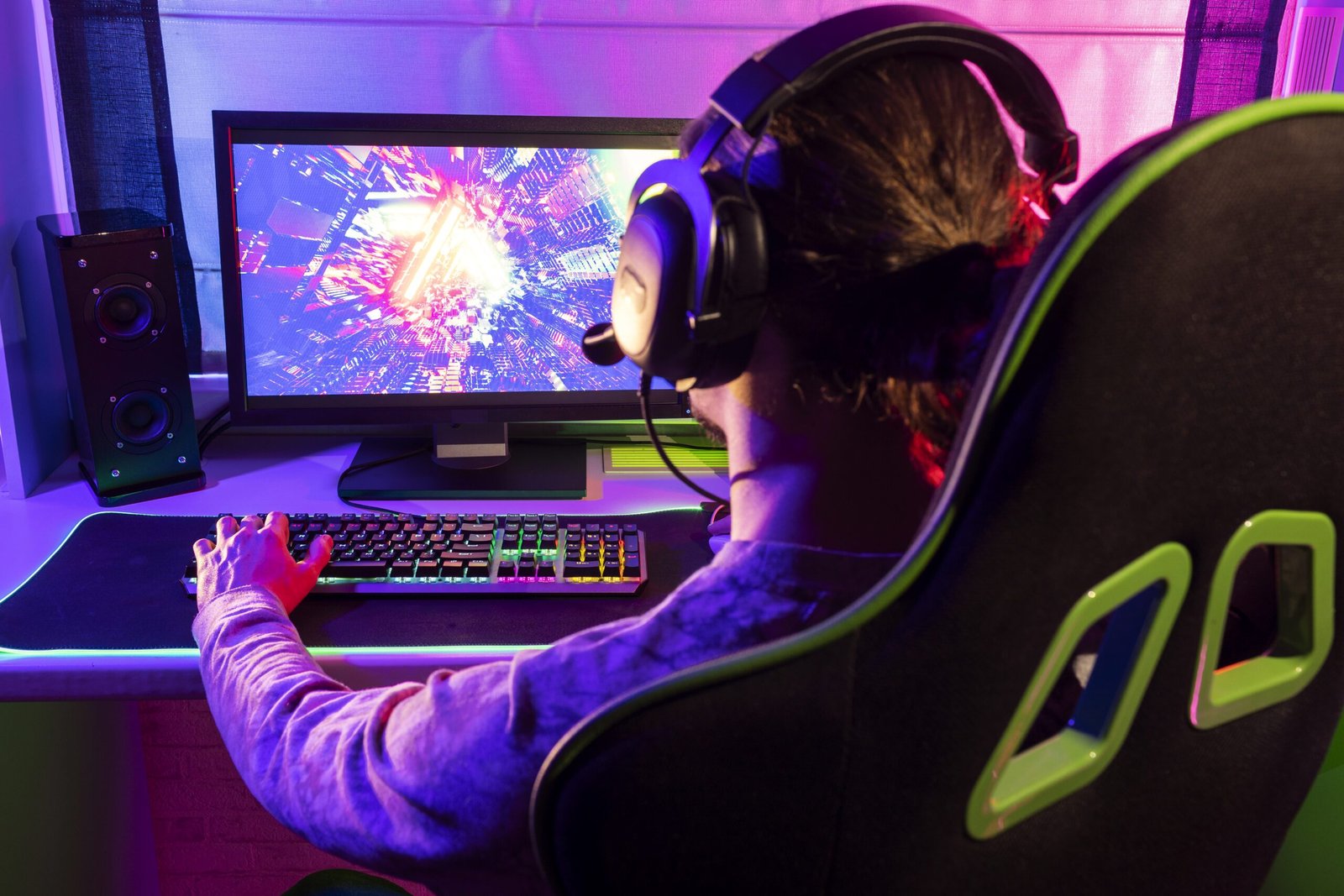
Imagine being fully immersed in your favorite game, every footstep, explosion, and whisper crystal clear. The right audio can transform your gaming experience from enjoyable to absolutely breathtaking. But what's the best way to achieve that level of immersion? Speakers or a headset?
Choosing the right audio setup for gaming can be tricky. You might be torn between the booming sound and social aspect of speakers and the personal, focused audio and built-in microphone of a headset. Concerns about sound quality, comfort, budget, and even disturbing housemates or neighbors all factor into the decision.
This article dives deep into the debate of gaming speakers versus headsets, providing a comprehensive comparison to help you make the best choice for your needs and preferences. We'll explore the pros and cons of each option, considering factors like sound quality, comfort, microphone quality, cost, and overall gaming experience. So, whether you're a competitive gamer, a casual player, or somewhere in between, we've got you covered.
In short, we'll be weighing the pros and cons of gaming speakers and gaming headsets. We will discuss sound quality, comfort, cost, and microphone features to help you choose the best audio setup for your gaming needs.
Sound Quality Showdown
Sound quality is king, isn't it? I remember the first time I upgraded from cheap earbuds to a proper gaming headset. The difference was astounding! Suddenly, I could pinpoint enemy locations in Counter-Strikewith incredible accuracy. The immersive bass rumble in Battlefieldmade explosions feel truly visceral. It completely elevated my gameplay. Headsets, especially closed-back ones, excel at creating that sense of isolation and focused audio. This is due to the drivers being positioned very close to your ears, delivering sound directly. The tight seal also helps block out external noises, further enhancing immersion.
However, speakers can also deliver incredible sound quality, especially with a dedicated subwoofer and satellite speakers. They offer a wider soundstage, creating a more natural and open listening experience. Think of it like being in a concert hall versus listening through headphones. The soundstage is wider and more spread out, rather than focused directly to your ears. The key difference lies in the perception of space and directionality.
The choice between the two really depends on the intended use case. If positional audio and pinpoint accuracy are paramount, a good quality gaming headset is preferable. Conversely, speakers are the better choice if you value the expansive soundstage and enjoy the social aspect of sharing your gaming experience with others in the room. Of course, the quality of the individual speakers or headset matters tremendously. High-end speakers or headsets will obviously outperform cheaper alternatives.
Comfort: A Crucial Consideration
Let's talk comfort! Picture this: you're in the middle of an intense raid, hours deep, and your ears are screaming in protest from your headset clamping down too tightly. Or, you're trying to relax with a single-player game, but the constant pressure is a major distraction. Comfort is absolutely essential for long gaming sessions.
Headsets, especially those with over-ear cups, can sometimes become uncomfortable after extended wear. Factors like clamping force, ear cup material (leatherette vs. fabric), and weight all play a significant role. Some headsets have adjustable headbands and earcups, which improves comfort.
Speakers, on the other hand, eliminate the physical burden on your head and ears entirely. This freedom can be a major relief, particularly during marathon gaming sessions. The trade-off, of course, is that speakers might not provide the same level of immersion as a headset. The surrounding environment affects how audio can be perceived. People that live in hot and humid environment may prefer speaker for better airflow and comfort.
Microphone Quality: Communicating Clearly
Back in the day, voice communication in games was a grainy, distorted mess. Thank goodness we've come a long way since then! Clear communication is vital for team-based games, especially in competitive scenarios. Whether you're coordinating attacks, calling out enemy positions, or just chatting with friends, a good microphone is a must.
Most gaming headsets come equipped with built-in microphones, some detachable and some retractable. The quality can vary wildly, from basic to studio-grade. Features like noise cancellation, which helps to filter out background noise, are also highly valuable.
Speakers typically don't include a microphone, requiring a separate purchase. While dedicated microphones usually offer superior sound quality compared to headset microphones, the added cost and desk space can be a downside.
Hidden Secrets of Audio Setups
Here's a little secret: the "best" audio setup is often the one that best suits your individual gaming style and environment. Many gamers don't realize the impact room acoustics can have on speaker performance. A large, empty room will sound very different from a smaller room filled with furniture and carpeting. These items help absorb sound and limit reflections, which results in more clear audio coming out of the speakers.
Another hidden secret is that you don't necessarily have to choose one over the other. Many gamers use both speakers and headsets, switching between them depending on the situation. For example, speakers might be preferred for single-player games or casual gaming sessions, while a headset is used for competitive multiplayer games or when noise isolation is needed.
Experimentation is key. Try out different audio setups and see what works best for you. Don't be afraid to tweak your audio settings to optimize the sound for your specific game and hardware. There are multiple software that enhances audio such as audio equalizer apps, they come in free and paid versions.
Recommendations for the Perfect Setup
Alright, let's get down to brass tacks. What are some good options for gaming speakers and headsets? For headsets, brands like Hyper X, Steel Series, and Razer are popular choices, offering a range of models to suit different budgets and preferences. Look for features like comfortable earcups, clear microphones, and good sound quality. Wireless headsets offer freedom of movement, but they typically come at a higher price.
As for speakers, brands like Logitech, Creative, and Bose are well-regarded. Consider a 2.1 system (two speakers and a subwoofer) for a balanced sound experience, or a
5.1 or
7.1 system for more immersive surround sound. Soundbars are another option, offering a compact and convenient way to improve your audio. If you have some extra budget, you can look at dedicated home theater audio system for a more immersive experience.
Ultimately, the best recommendation depends on your individual needs and budget. Read reviews, compare specifications, and consider trying out different options before making a decision. If possible, go to a retail store and try out different models to see which one you like.
The Importance of Soundstage
Soundstage is a term often thrown around when discussing audio quality, but what does it actually mean? Simply put, soundstage refers to the perceived width, depth, and height of the sound field. A wide soundstage creates a more spacious and immersive listening experience, allowing you to pinpoint the location of sounds more accurately.
Speakers typically offer a wider soundstage than headsets, as the sound waves have more room to travel and interact with your environment. This can be particularly beneficial in open-world games, where you need to be aware of your surroundings. A wide soundstage allows you to hear sounds coming from different directions, giving you a better sense of the game world.
Headsets, on the other hand, offer a more intimate and focused soundstage. This can be advantageous in competitive games, where you need to be able to pinpoint the location of enemies with precision. The closed-back design of most gaming headsets also helps to block out external noise, further enhancing the sense of immersion and focus. The difference in perceived space from each setup can dramatically change the way you experience any game. For FPS games it can affect your performance, while in RPG games, it can affect the immersion.
Tips for Optimizing Your Audio Setup
Once you've chosen your audio setup, there are several things you can do to optimize its performance. First, make sure your drivers are up to date. Audio drivers are software that allow your computer to communicate with your speakers or headset. Outdated drivers can cause audio issues, such as distortion or crackling.
Next, experiment with different audio settings in your game and operating system. Many games have built-in audio settings that allow you to adjust the volume of different sound effects, such as footsteps, explosions, and dialogue. You can also adjust the equalizer settings to fine-tune the sound to your liking. Adjusting your equalizer to suit your preference or game genre improves the experience of the game.
Finally, consider investing in a dedicated sound card. A sound card is a hardware component that processes audio signals. A good sound card can improve the sound quality of your speakers or headset, especially if you're using a high-end audio setup. Even without the hardware, there are free and paid software that emulates the experience of a sound card.
Understanding Audio Latency
Audio latency, also known as sound delay, refers to the delay between when a sound is produced in the game and when you actually hear it through your speakers or headset. High audio latency can be distracting and even detrimental to your gameplay, especially in fast-paced competitive games.
Several factors can contribute to audio latency, including the quality of your audio hardware, the processing power of your computer, and the audio settings in your game and operating system. Wireless audio devices can sometimes have higher latency than wired devices, due to the time it takes for the audio signal to be transmitted wirelessly.
To minimize audio latency, make sure your drivers are up to date, close any unnecessary programs that may be consuming processing power, and adjust your audio settings to prioritize low latency. Some games have built-in latency settings that allow you to adjust the delay manually. Using a wired connection instead of wireless, and investing in high-quality audio hardware may help reduce latency.
Fun Facts About Gaming Audio
Did you know that the concept of surround sound was first introduced in the 1940s for Disney's "Fantasia"? While not specifically for gaming, it paved the way for the immersive audio experiences we enjoy today. Also, the term "headset" wasn't initially used for gaming, but was derived from aviation where pilots use headsets for communication and hearing instructions.
Another fun fact is that some professional gamers actually wear two headsets during tournaments. One headset is for in-game audio and communication, while the other is for noise cancellation, blocking out distractions from the crowd. This setup ensures that the gamers can hear the game clearly and communicate effectively with their teammates.
Also, the rise of e Sports has fueled innovation in gaming audio technology. Companies are constantly developing new and improved headsets and speakers to meet the demands of competitive gamers. This competition has led to advancements in sound quality, comfort, and microphone performance.
How to Choose the Right Audio Setup
The best way to choose the right audio setup for gaming is to consider your individual needs and preferences. Ask yourself the following questions: What types of games do you play most often? Do you prefer single-player or multiplayer games? Do you value immersion or competitive advantage? What is your budget?
Once you've answered these questions, you can start to narrow down your options. If you primarily play competitive games, a high-quality gaming headset with a clear microphone and low latency is essential. If you prefer single-player games and value immersion, a good set of speakers with a wide soundstage may be a better choice. If you're on a tight budget, there are many affordable gaming headsets and speakers that offer good value for the money.
Also, consider the environment where you'll be gaming. If you live in a noisy environment or share your living space with others, a closed-back headset with noise cancellation is a good idea. If you have a dedicated gaming room and don't need to worry about disturbing others, speakers may be a better option.
What If You Could Only Choose One?
Let's say you're stranded on a desert island and can only bring one audio setup for gaming: speakers or a headset. Which would you choose? If communication is critical, a headset with a built-in microphone is the obvious choice. Imagine trying to coordinate a rescue mission without being able to talk to anyone!
However, if you're more concerned with relaxation and immersion, speakers might be a better option. Picture yourself exploring a vast open-world game, surrounded by the sounds of nature. Speakers can create a more natural and immersive experience than headsets, allowing you to fully escape into the game world.
Ultimately, the choice depends on your priorities. If you value communication and competitive advantage, a headset is the way to go. If you value immersion and relaxation, speakers may be a better choice. But let's be honest, it would be much more ideal to have both if possible! If a choice must be made, think about what kind of games or experience that you want to have.
Top 5 Reasons to Choose Speakers Over Headsets
Here is a listicle for choosing speaker over headset:
1. Superior Comfort: No more ear fatigue or headaches from wearing a headset for extended periods. Speakers allow you to game in complete comfort, without any pressure on your head or ears.
2. Wider Soundstage: Speakers create a more spacious and immersive listening experience, allowing you to pinpoint the location of sounds more accurately.
3. Social Gaming: Speakers allow you to share your gaming experience with others in the room, creating a more social and engaging atmosphere.
4. Versatility: Speakers can be used for more than just gaming. They can also be used for listening to music, watching movies, and other audio-related activities.
5. No Mic Management: The freedom of choosing a dedicated microphone allows you to pick the right one to improve communication for competitive games.
Question and Answer Section
Q: Are gaming headsets better than regular headphones for gaming?
A: Generally, yes. Gaming headsets are designed with features specifically for gaming, such as low latency, clear microphones, and enhanced surround sound. Regular headphones may not offer the same level of performance.
Q: Do I need a sound card for gaming?
A: Not necessarily. Most modern motherboards have decent built-in audio. However, a dedicated sound card can improve the sound quality of your speakers or headset, especially if you're using a high-end audio setup.
Q: Are wireless gaming headsets worth it?
A: Wireless gaming headsets offer freedom of movement, but they typically come at a higher price and may have slightly higher latency than wired headsets. If you value convenience and mobility, a wireless headset is a good choice. If you prioritize performance and low latency, a wired headset is a better option.
Q: How important is surround sound for gaming?
A: Surround sound can significantly enhance the gaming experience, especially in games where positional audio is important. It allows you to pinpoint the location of sounds more accurately, giving you a competitive advantage.
Conclusion of Gaming Speakers vs Headset: Audio Setup Comparison
Choosing between gaming speakers and a headset is a personal decision based on individual preferences, gaming habits, and budget. Both offer distinct advantages and disadvantages. Headsets provide focused audio, isolation, and integrated microphones, making them ideal for competitive gaming and private listening. Speakers deliver a wider soundstage, greater comfort for long sessions, and a social gaming experience. By carefully weighing the pros and cons of each option, and considering your specific needs, you can make an informed decision and elevate your gaming experience to the next level.
Post a Comment