Gaming Laptop Displays: Screen Technology for Portable Gaming
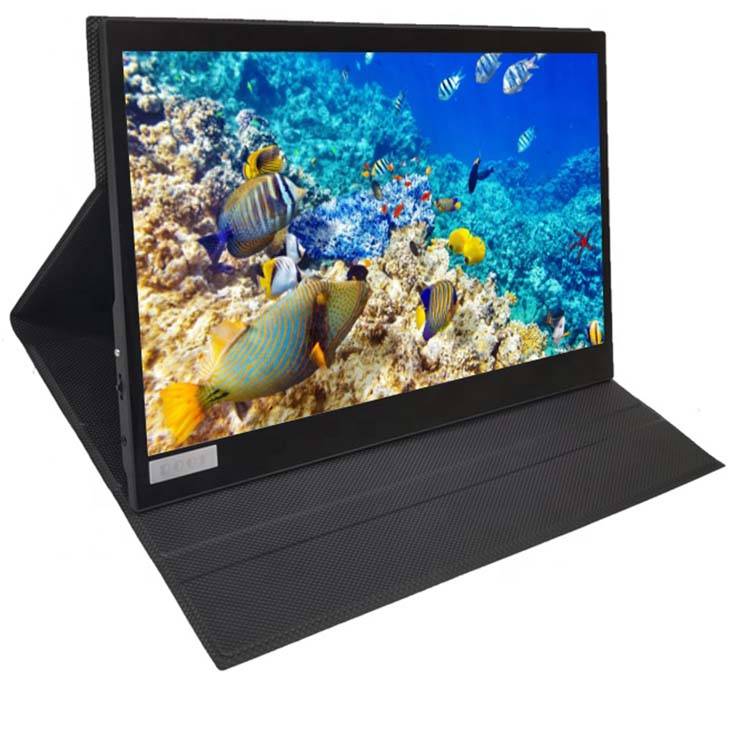
Imagine diving headfirst into the latest AAA title, the graphics are stunning, the gameplay is smooth, and victory is within your grasp. But then,bam, screen tearing, ghosting, or colors that just don't pop. The immersion is shattered, and your gaming experience is compromised. Picking the right gaming laptop involves many considerations, and the display is one of the most important.
Let's face it, investing in a powerful gaming laptop only to be let down by a subpar display can be incredibly frustrating. Spending your hard-earned money on a machine that struggles to keep up with the fast-paced action, leaving you with blurry visuals or washed-out colors, is a gamer's nightmare.
This blog post is your comprehensive guide to understanding gaming laptop displays. We'll delve into the key screen technologies, refresh rates, response times, and color accuracy metrics that make or break a portable gaming experience. By the end of this article, you'll be equipped with the knowledge to choose a display that brings your games to life, allowing you to fully enjoy the power of your gaming laptop.
In summary, we will uncover the secrets behind high refresh rates, low response times, and vibrant color gamuts, allowing you to make an informed decision when choosing your next gaming laptop. Understanding these display technologies will empower you to select the perfect screen for smooth, immersive, and visually stunning portable gaming. Keywords: gaming laptop, display technology, refresh rate, response time, color accuracy, portable gaming.
The Importance of Refresh Rate
I remember back in the day, when I was still rocking a clunky old desktop, I scoffed at the idea of needing anything beyond 60Hz. "It's just marketing fluff," I'd say. "The human eye can't even see past 30 frames per second!" Oh, how wrong I was. Fast forward to my first experience with a 144Hz display, and it was a revelation. The difference was night and day – everything felt smoother, more responsive, and more immersive. Suddenly, those split-second reactions in fast-paced shooters actually felt possible.
Refresh rate, measured in Hertz (Hz), refers to how many times per second your display updates the image on the screen. A higher refresh rate means a smoother visual experience, especially noticeable in fast-paced games. Standard laptop displays often come with a 60Hz refresh rate, which is adequate for general use but can feel limiting for gaming. Gaming laptops typically offer refresh rates of 120Hz, 144Hz, 240Hz, or even 360Hz. The higher the refresh rate, the smoother the motion appears, reducing motion blur and making it easier to track fast-moving objects. This leads to a more responsive and enjoyable gaming experience, giving you a competitive edge. Pairing a high refresh rate with a powerful GPU that can consistently output high frame rates is crucial to maximize the benefits. Without sufficient GPU power, your frame rate might be lower than your refresh rate, negating the smoothness advantage.
Choosing the right refresh rate depends on the types of games you play and your budget. If you primarily play slower-paced games like RPGs or strategy games, a 120Hz or 144Hz display might suffice. However, if you're a competitive gamer who plays fast-paced shooters or racing games, a 240Hz or 360Hz display can provide a noticeable advantage.
Response Time Demystified
Response time is often confused with refresh rate, but they are distinct yet equally important factors in display performance. Response time, measured in milliseconds (ms), refers to the time it takes for a pixel to change from one color to another. A lower response time means less motion blur and ghosting, resulting in a clearer and more defined image, especially during fast-paced action. High response times can lead to noticeable blurring behind moving objects, which can be distracting and detrimental to your gaming performance.
Ideally, you want a gaming laptop display with a response time of 5ms or lower. Some high-end gaming laptops boast response times as low as 1ms, which is virtually imperceptible to the human eye. However, it's important to note that response time specifications can be misleading. Manufacturers often quote the gray-to-gray (Gt G) response time, which measures the time it takes for a pixel to transition between two shades of gray. This is typically faster than the black-to-white response time, which is a more accurate indicator of real-world performance.
When evaluating gaming laptop displays, look for independent reviews and benchmarks that measure the actual response time performance. These reviews often provide more realistic and reliable data than manufacturer specifications. Pay attention to overshoot and undershoot, which are artifacts that can occur when pixels change color too quickly or too slowly. Overshoot can result in a brief halo effect around moving objects, while undershoot can cause a temporary darkening of the image. Both of these artifacts can be distracting and negatively impact your gaming experience. Choosing a display with a low response time and minimal overshoot and undershoot will ensure a clearer, more responsive, and more immersive gaming experience.
The Evolution of Panel Technology
The history of gaming laptop displays is a fascinating journey through various panel technologies, each with its own strengths and weaknesses. Early gaming laptops often used TN (Twisted Nematic) panels, which offered fast response times but suffered from poor viewing angles and color reproduction. These panels were popular due to their affordability and speed, but the limited viewing angles meant that the image would shift dramatically if you weren't looking at the screen straight on. The colors also tended to be washed out and inaccurate, which detracted from the overall gaming experience.
As technology advanced, IPS (In-Plane Switching) panels emerged as a superior alternative. IPS panels offered significantly better viewing angles and color accuracy compared to TN panels, making them ideal for immersive gaming experiences. However, early IPS panels often had slower response times than TN panels, which could lead to motion blur. Over time, IPS technology has improved dramatically, with modern IPS panels offering response times that are comparable to TN panels. VA (Vertical Alignment) panels strike a balance between TN and IPS panels, offering decent viewing angles, good contrast ratios, and relatively fast response times. VA panels are often a good choice for gamers who want a combination of performance and visual quality.
OLED (Organic Light Emitting Diode) technology represents the pinnacle of display technology, offering perfect black levels, infinite contrast ratios, and incredibly fast response times. OLED panels are self-emissive, meaning that each pixel produces its own light, eliminating the need for a backlight. This results in stunning image quality with vibrant colors and deep blacks. However, OLED panels are currently more expensive than other panel technologies and can be susceptible to burn-in, which is the permanent discoloration of the screen due to prolonged display of static images. Despite these drawbacks, OLED technology is rapidly becoming more prevalent in gaming laptops, offering an unparalleled visual experience.
Hidden Secrets of Color Gamut and Accuracy
Beyond refresh rate and response time, color gamut and accuracy are crucial factors in determining the visual quality of a gaming laptop display. Color gamut refers to the range of colors that a display can reproduce. A wider color gamut means that the display can produce more vibrant and lifelike colors. The two most common color gamuts are s RGB and DCI-P3. s RGB is the standard color gamut for web content and most consumer applications, while DCI-P3 is a wider color gamut that is commonly used in cinema and professional video editing.
For gaming, a display that can cover 100% of the s RGB color gamut is generally considered to be adequate. However, for a more immersive and visually stunning experience, a display that can cover 100% of the DCI-P3 color gamut is preferred. Color accuracy refers to how accurately a display can reproduce colors. A display with good color accuracy will display colors that are true to life, while a display with poor color accuracy will display colors that are skewed or inaccurate. Color accuracy is typically measured using a metric called Delta E (d E). A lower Delta E value indicates better color accuracy. Ideally, you want a gaming laptop display with a Delta E value of less than 2.
Many gaming laptops now come with features like factory color calibration, which ensures that the display is accurately calibrated out of the box. Some laptops also offer the ability to customize the color profile to suit your preferences. When evaluating gaming laptop displays, look for independent reviews and benchmarks that measure the color gamut and accuracy. These reviews often provide detailed information about the display's color performance and can help you choose a display that meets your needs.
Recommendations for the Best Gaming Laptop Displays
When choosing a gaming laptop, consider your budget, the types of games you play, and your personal preferences. If you're a competitive gamer who plays fast-paced shooters, prioritize a display with a high refresh rate (144Hz or higher) and a low response time (5ms or lower). If you primarily play slower-paced games or value visual quality over speed, prioritize a display with good color gamut coverage (100% DCI-P3 or higher) and accurate color reproduction (Delta E less than 2).
If you have a limited budget, consider a gaming laptop with a 144Hz IPS panel. These panels offer a good balance of performance and visual quality at a reasonable price. If you're willing to spend more, consider a gaming laptop with a 240Hz or 360Hz IPS panel or an OLED panel. These panels offer the best possible gaming experience, with incredibly smooth motion, vibrant colors, and deep blacks. Some popular gaming laptops with excellent displays include the Razer Blade series, the ASUS ROG series, and the Alienware m series. These laptops offer a variety of display options, allowing you to choose the perfect screen for your needs.
Remember to read independent reviews and benchmarks before making a purchase. These reviews often provide valuable insights into the real-world performance of the display and can help you avoid making a costly mistake. Pay attention to factors such as brightness, contrast ratio, viewing angles, and uniformity. A good display should be bright enough to be seen clearly in a well-lit environment, have a high contrast ratio for deep blacks and bright whites, offer wide viewing angles so that the image doesn't shift when viewed from different angles, and have uniform brightness and color across the entire screen. By carefully considering these factors, you can choose a gaming laptop with a display that will provide you with an immersive and enjoyable gaming experience.
Understanding G-Sync and Free Sync
G-Sync and Free Sync are adaptive sync technologies designed to eliminate screen tearing and reduce stuttering, resulting in a smoother and more responsive gaming experience. Screen tearing occurs when the graphics card outputs frames at a different rate than the display's refresh rate, resulting in a visual discontinuity in the image. Stuttering occurs when the frame rate fluctuates, causing the image to appear jerky or uneven. G-Sync and Free Sync work by synchronizing the refresh rate of the display with the frame rate of the graphics card. This ensures that the display only updates the image when a new frame is ready, eliminating screen tearing and reducing stuttering.
G-Sync is a proprietary technology developed by Nvidia, while Free Sync is an open-source technology developed by AMD. G-Sync requires a dedicated hardware module inside the display, which adds to the cost. Free Sync, on the other hand, does not require any special hardware and can be implemented using the standard Display Port Adaptive-Sync protocol. This makes Free Sync displays generally more affordable than G-Sync displays.
While both G-Sync and Free Sync achieve the same goal of eliminating screen tearing and reducing stuttering, there are some differences between the two technologies. G-Sync typically offers a wider refresh rate range than Free Sync, meaning that it can synchronize the display's refresh rate with a wider range of frame rates. G-Sync also features a variable overdrive technology, which dynamically adjusts the pixel overdrive settings to minimize ghosting and overshoot at different refresh rates. Free Sync has evolved, and AMD now offers Free Sync Premium and Free Sync Premium Pro tiers that provide additional features, such as low framerate compensation (LFC) and HDR support. LFC helps to eliminate stuttering when the frame rate drops below the display's minimum refresh rate. Choosing between G-Sync and Free Sync depends on the graphics card you're using and your budget. If you have an Nvidia graphics card, you'll need a G-Sync display to take advantage of G-Sync technology. If you have an AMD graphics card, you can use either a Free Sync or a G-Sync Compatible display.
Tips for Optimizing Your Gaming Laptop Display
Once you've chosen a gaming laptop with a great display, there are several things you can do to optimize its performance and ensure the best possible gaming experience. First, make sure that your graphics card drivers are up to date. Graphics card manufacturers regularly release new drivers that improve performance and fix bugs. Installing the latest drivers can often result in a noticeable improvement in frame rates and visual quality. Second, adjust the display settings in your operating system and in-game. Experiment with different brightness, contrast, and gamma settings to find what looks best to you. Many games also offer advanced graphics settings that allow you to customize the level of detail, anti-aliasing, and other visual effects.
Third, consider using a color calibration tool to calibrate your display. Color calibration tools can help you to ensure that your display is accurately reproducing colors. This is especially important if you're doing any color-sensitive work, such as photo editing or video editing. There are many different color calibration tools available, both hardware and software based. Fourth, keep your display clean. Dust and fingerprints can reduce the clarity and brightness of your display. Use a soft, lint-free cloth to gently clean the screen. Avoid using harsh chemicals or abrasive cleaners, as these can damage the display.
Fifth, be mindful of your viewing distance and posture. Sitting too close to the screen can cause eye strain and fatigue. Maintain a comfortable viewing distance of at least 20 inches. Also, make sure that your posture is good. Sit up straight and avoid slouching. Sixth, take breaks regularly. Staring at a screen for long periods of time can cause eye strain, headaches, and other problems. Take a break every 20-30 minutes to look away from the screen and focus on something in the distance. By following these tips, you can optimize your gaming laptop display and ensure a comfortable and enjoyable gaming experience.
The Role of Resolution in Gaming
Resolution, measured in pixels, refers to the number of horizontal and vertical pixels that make up the image on the screen. A higher resolution means a sharper and more detailed image. Common gaming laptop resolutions include 1920x1080 (Full HD or 1080p), 2560x1440 (Quad HD or 1440p), and 3840x2160 (Ultra HD or 4K). 1080p is the most common resolution for gaming laptops, as it offers a good balance of performance and visual quality. 1440p offers a significant improvement in image sharpness compared to 1080p, but it also requires more powerful hardware to run games at high frame rates. 4K offers the highest level of detail, but it requires a very powerful graphics card to run games smoothly.
When choosing a gaming laptop resolution, consider the size of the screen and the power of your graphics card. On smaller screens (15 inches or less), 1080p may be sufficient. However, on larger screens (17 inches or more), 1440p or 4K may be a better choice. If you have a powerful graphics card, you can consider gaming at a higher resolution. However, if you have a less powerful graphics card, you may need to lower the resolution or graphics settings to achieve a playable frame rate.
It's also important to consider the pixel density of the display. Pixel density, measured in pixels per inch (PPI), refers to the number of pixels packed into each inch of the screen. A higher PPI means a sharper and more detailed image. A display with a high resolution on a small screen will have a higher PPI than a display with the same resolution on a larger screen. When choosing a gaming laptop display, look for a balance between resolution and pixel density. A display with a high resolution and a high PPI will provide the best possible image quality.
Fun Facts About Gaming Laptop Displays
Did you know that the first color LCD screen was invented in 1988? While not specifically for gaming, this invention paved the way for the vibrant and immersive displays we enjoy today. The refresh rate race in gaming laptops has been constantly evolving. Not long ago, 60Hz was the standard, then 120Hz was considered high-end. Now, we have gaming laptops with 360Hz or even higher refresh rates, pushing the boundaries of visual fluidity. Some gaming laptops use mini-LED backlighting to enhance brightness and contrast. Mini-LED technology uses thousands of tiny LEDs to illuminate the display, resulting in more precise and localized dimming, leading to deeper blacks and brighter highlights.
Many high-end gaming laptops feature displays with incredibly thin bezels, also known as "narrow bezels". This design not only looks sleek but also maximizes the screen-to-body ratio, providing a more immersive viewing experience. Some gaming laptops are equipped with ambient light sensors that automatically adjust the display's brightness based on the surrounding environment. This helps to reduce eye strain and improve visibility in different lighting conditions. Gaming laptop displays have come a long way in terms of color accuracy. Some displays are now factory calibrated to meet industry standards, ensuring that colors are displayed accurately and consistently.
Manufacturers are exploring innovative display technologies for gaming laptops, such as foldable displays and transparent displays. While these technologies are still in their early stages, they hold the potential to revolutionize the way we experience gaming on laptops. These fun facts highlight the continuous innovation and development in gaming laptop display technology, constantly pushing the boundaries of visual performance and immersion.
How to Choose the Right Gaming Laptop Display
Choosing the right gaming laptop display is a crucial decision that can significantly impact your gaming experience. Start by considering your budget. Gaming laptops with high-end displays can be expensive, so it's important to set a budget and stick to it. Next, determine the types of games you play most often. If you primarily play fast-paced shooters, prioritize a display with a high refresh rate (144Hz or higher) and a low response time (5ms or lower). If you primarily play slower-paced games or value visual quality over speed, prioritize a display with good color gamut coverage (100% DCI-P3 or higher) and accurate color reproduction (Delta E less than 2).
Consider the resolution of the display. 1080p is a good choice for most gamers, but if you have a powerful graphics card and want a sharper image, consider 1440p or 4K. Pay attention to the panel technology. IPS panels offer the best balance of performance and visual quality, but TN panels are still a good choice for budget-conscious gamers. OLED panels offer the best possible image quality, but they are more expensive and can be susceptible to burn-in. Read independent reviews and benchmarks before making a purchase. These reviews often provide valuable insights into the real-world performance of the display and can help you avoid making a costly mistake.
Look for features such as G-Sync or Free Sync, which can help to eliminate screen tearing and reduce stuttering. Also, consider the brightness, contrast ratio, viewing angles, and uniformity of the display. A good display should be bright enough to be seen clearly in a well-lit environment, have a high contrast ratio for deep blacks and bright whites, offer wide viewing angles so that the image doesn't shift when viewed from different angles, and have uniform brightness and color across the entire screen. By carefully considering these factors, you can choose a gaming laptop with a display that will provide you with an immersive and enjoyable gaming experience.
What if My Gaming Laptop Display Isn't Good Enough?
Even with careful research, you might find yourself with a gaming laptop display that doesn't quite meet your expectations. Don't despair! There are still options to improve your gaming experience. The simplest solution is to connect your gaming laptop to an external monitor. External monitors offer a wider range of features and performance characteristics than built-in laptop displays. You can choose a monitor with a higher refresh rate, lower response time, wider color gamut, or higher resolution. Connecting to an external monitor can significantly improve your gaming experience, especially if you primarily game at home.
Calibrating your display can also help to improve its color accuracy and overall image quality. Color calibration tools can help you to adjust the display's settings to match a specific color profile. This can be especially useful if you're doing any color-sensitive work, such as photo editing or video editing. If your gaming laptop display suffers from screen tearing or stuttering, consider enabling V-Sync in your graphics card settings. V-Sync synchronizes the refresh rate of the display with the frame rate of the graphics card, which can help to eliminate these issues. However, V-Sync can also introduce input lag, so it's important to experiment with different settings to find what works best for you.
You can also try adjusting the in-game graphics settings. Lowering the resolution, reducing the level of detail, or disabling certain visual effects can help to improve frame rates and reduce stuttering. While this may slightly reduce the visual quality of the game, it can make it more playable. Finally, consider upgrading your gaming laptop altogether. If you're not satisfied with the performance of your current gaming laptop display, it may be time to invest in a new one. When choosing a new gaming laptop, be sure to carefully research the display specifications and read independent reviews to ensure that you're getting a display that meets your needs.
Top 5 Features to Look for in a Gaming Laptop Display
When choosing a gaming laptop, the display is one of the most critical components to consider. Here are the top 5 features to look for:
- High Refresh Rate: A refresh rate of 144Hz or higher is essential for smooth and responsive gaming. Higher refresh rates reduce motion blur and make it easier to track fast-moving objects.
- Low Response Time: A response time of 5ms or lower is crucial for minimizing ghosting and blurring. Lower response times ensure a clearer and more defined image, especially during fast-paced action.
- Wide Color Gamut: A display that can cover 100% of the DCI-P3 color gamut is ideal for vibrant and lifelike colors. Wider color gamuts enhance the visual immersion and make games look more realistic.
- Accurate Color Reproduction: A display with a Delta E value of less than 2 is important for accurate color reproduction. Accurate colors ensure that games look as the developers intended.
- Adaptive Sync Technology: G-Sync or Free Sync technology can help to eliminate screen tearing and reduce stuttering. Adaptive sync technologies synchronize the refresh rate of the display with the frame rate of the graphics card, resulting in a smoother and more enjoyable gaming experience.
These five features are essential for a great gaming laptop display. By prioritizing these features, you can choose a gaming laptop that will provide you with an immersive and enjoyable gaming experience.
Question and Answer
Q: What is the ideal refresh rate for a gaming laptop display?
A: A refresh rate of 144Hz or higher is generally recommended for gaming laptops. This provides a smoother and more responsive gaming experience, reducing motion blur and making it easier to track fast-moving objects.
Q: What is the importance of response time in a gaming laptop display?
A: Response time measures how quickly a pixel can change color. A lower response time (5ms or lower) is crucial for minimizing ghosting and blurring, resulting in a clearer and more defined image, especially during fast-paced action.
Q: What are G-Sync and Free Sync, and why are they important?
A: G-Sync (Nvidia) and Free Sync (AMD) are adaptive sync technologies that synchronize the refresh rate of the display with the frame rate of the graphics card. This eliminates screen tearing and reduces stuttering, resulting in a smoother and more enjoyable gaming experience.
Q: Is resolution more important than refresh rate for gaming?
A: It depends on your priorities and the games you play. A high refresh rate is generally more important for fast-paced games where responsiveness is crucial. A higher resolution (1440p or 4K) can provide a sharper and more detailed image, but it requires more powerful hardware to run games smoothly. A good balance between resolution and refresh rate is often the best approach.
Conclusion of Gaming Laptop Displays: Screen Technology for Portable Gaming
Choosing the right gaming laptop display is a crucial decision that can significantly impact your overall gaming experience. Understanding the key technologies, such as refresh rate, response time, color gamut, and adaptive sync, is essential for making an informed decision. By prioritizing these factors, you can select a gaming laptop with a display that delivers smooth, immersive, and visually stunning graphics, allowing you to fully enjoy your favorite games on the go. Whether you prioritize speed, color accuracy, or resolution, there's a gaming laptop display out there that's perfect for your needs. So, do your research, read reviews, and choose wisely to unlock the full potential of portable gaming.
Post a Comment